Improved OKX new user engagement via mixed-methods research
I led this mixed-methods research initiative, combining behavioural analytics, diary studies, usability testing, competitor analysis and journey mapping to improve engagement for new users globally.
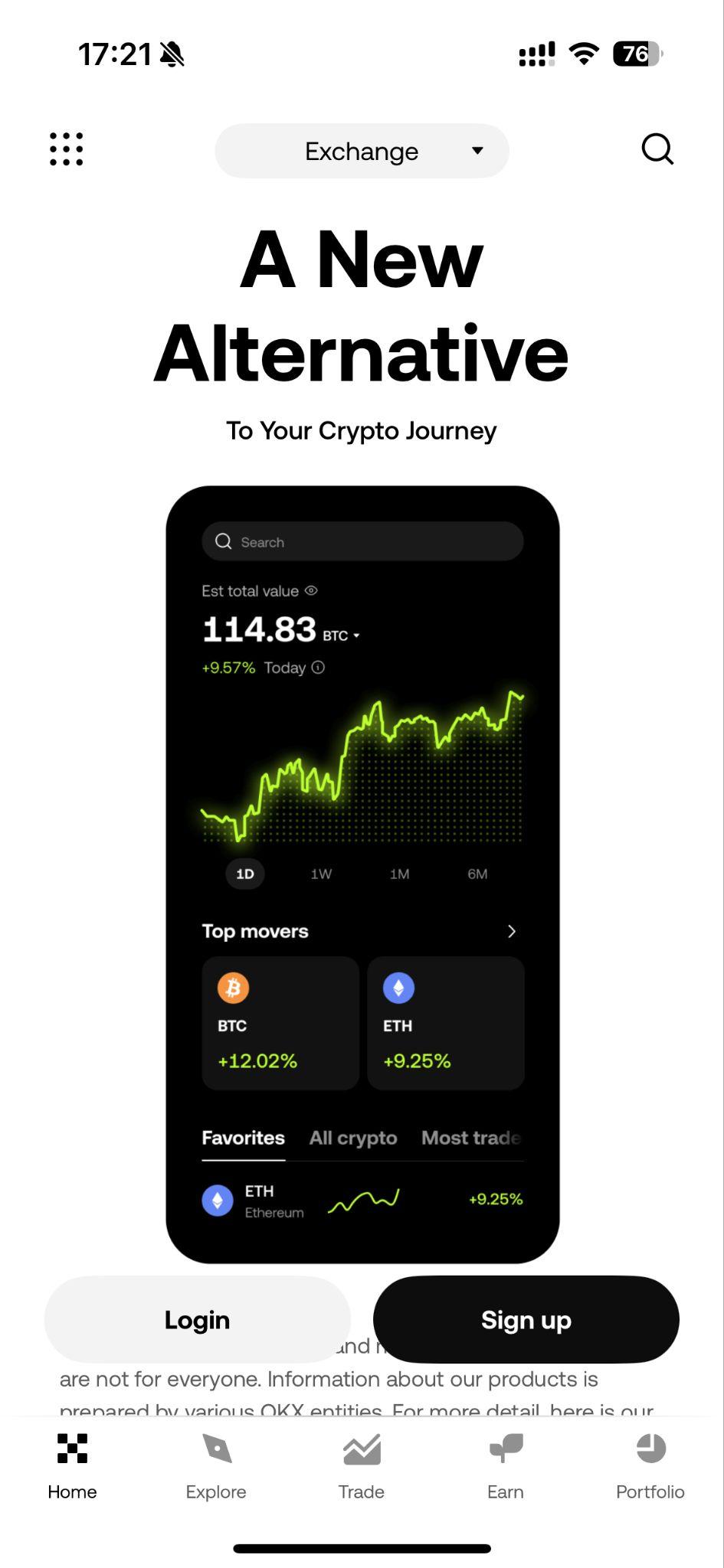
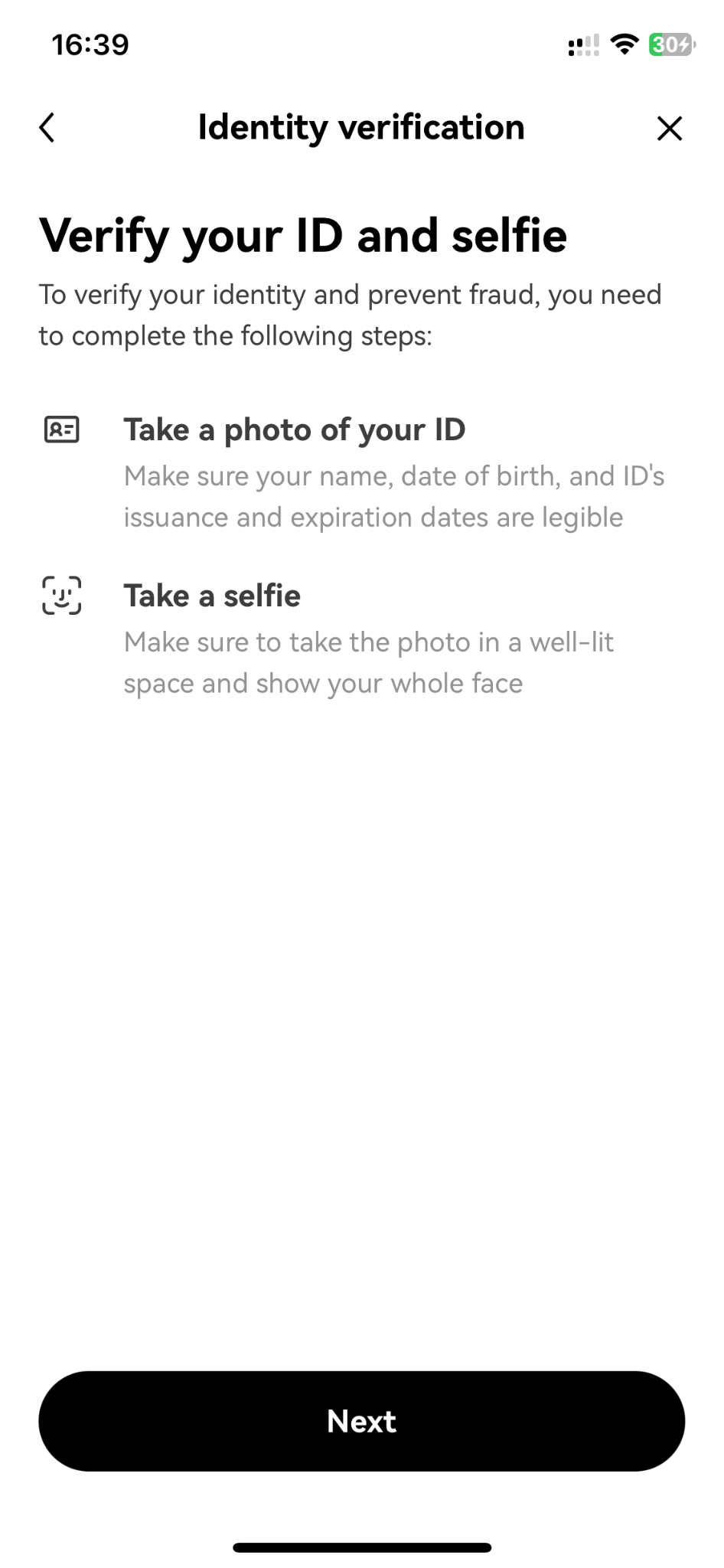
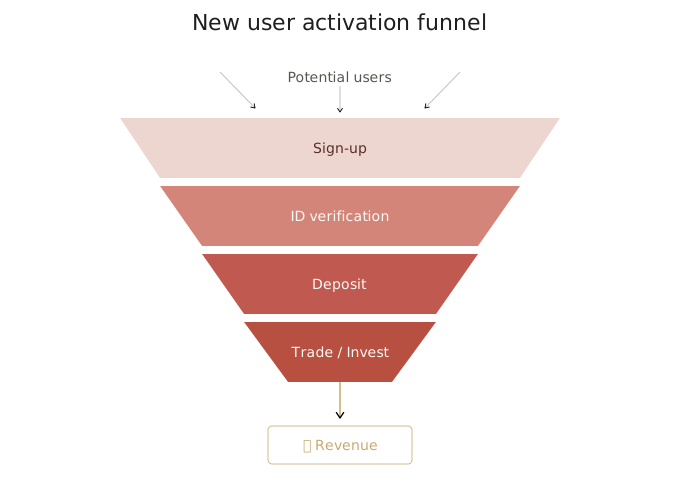
Sign-ups were high. Activation lagged.
OKX invested millions in global growth, driving huge sign-ups — but activation from ID verification to deposit and trade consistently underperformed.
Why this happened?
These problems were surfaced through reviewing past research, analysing drop-off points within the funnel on Amplitude, and a prior diary study.
1. Siloed Ownership
Different teams handled each activation step, so insights stayed siloed and rarely crossed team lines.
2. Market-Specific Blind Spots
A diary study in a key market revealed ID verification and deposit methods were not well localised.
3. Prototype Limitations
Third-party plugins used in verification and deposit steps couldn't be tested using standard prototypes.
Scoping the right markets, methods, and team before a single test was run
To determine research methodology, focus markets, and shape the test script, I designed a research plan using analytics, customer support logs, and a prior diary study.
1. Scoping with Data & Method Selection
- Used Amplitude to find conversion rates across key markets — selected those with the steepest drop-offs
- Reviewed support logs to surface activation issues and tailor test scenarios
- Prior diary study revealed ID verification flaws → opted for live-app testing to expose prototype-hidden issues
2. Scoping & Mobilising Support
- Scoped resources needed to complete live-app testing within 3 weeks
- Engaged 2 researchers to support participant screening and testing
- Engaged 4 local team members for translation, recruitment, and facilitation
- Ran training sessions to equip local staff to moderate usability tests
3. Prepare Test Script — Sample Tasks
- "You've done your research and decided to create a crypto account with OKX. Please show me how you would accomplish that using your phone."
- "You want to put funds into your OKX account to test out its trading features. Please show me how you would fund your account."
A 4-month remote, multi-phase research project spanning continents and languages
Based on initial analysis, there were potential unaware usability problems from sign-up through ID verification to deposit across different markets. The initial phase focused on assessing the usability of that part of the funnel on the released app — before moving to competitor analysis, journey mapping, and validation testing.
Planned and led 21 remote usability tests on the released app with new users from 4 key non-English markets, supported by 2 researchers and 4 local team members.
Identified 20+ usability issues across sign-up, ID verification, and deposit steps. Collaborated with product teams to implement fixes tracked via Jira.
Analysed 3 leading crypto and stock exchange apps to identify design best practices, and mapped all research into a single global activation journey for cross-team alignment.
Conducted 5 remote usability tests on the redesigned ID verification flow. Validated that critical issues were resolved and UX improvements landed successfully.
Creative recruitment across 4 markets
Finding participants in 4 target markets for live-app testing was challenging — language barriers, no platform coverage, and ID requirements — but creative recruitment and strong local team support made it happen.
Creative Recruitment
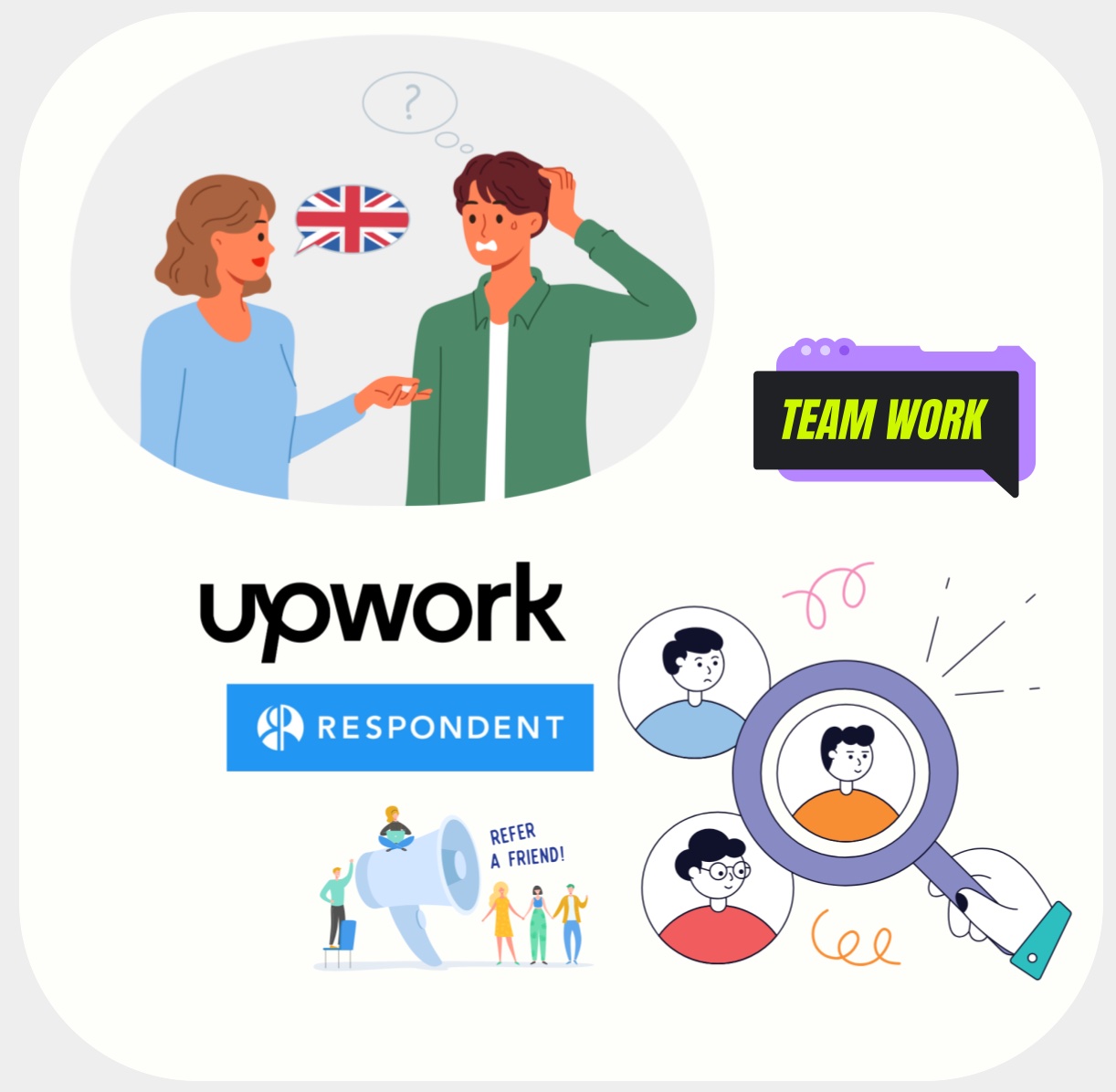
Found participants via referrals and freelancer platforms such as Upwork and Respondent.
Strong Local Team Support
Leveraged trusted relationships built earlier for recruitment, translation, and facilitation — enabling 21 sessions and 20+ uncovered issues under a tight timeline.
Task success fell sharply deeper in the activation funnel
Usability testing on the released app revealed critical friction points — especially at ID verification and funding.
⚠️ Due to confidentiality, some details of the findings have been omitted.
Sign-up Methods
Certain sign-up methods didn't work as expected, creating friction and delays that prevented users from progressing to the next step.
ID Verification
Verification steps created uncertainty, with unclear and misleading guidance on next actions after submission.
Funding Flows
Funding flows were complex and unintuitive, with key functions missing from the main menu and third-party payment methods falling short in UX.
"I feel lost. I tried to find Deposit in main menu but couldn't."— Participant 1
"It's confusing how long I actually need to wait to [get verified]."— Participant 16
I delivered recommendations that balanced usability with feasibility, from quick wins requiring minimal resources to ambitious long-term redesigns.
By rapidly sharing insights, tracking in Jira, and collaborating closely across teams, we achieved a 22% uplift in ID verification conversion, enabling more users to deposit and trade, a key step to driving revenue.
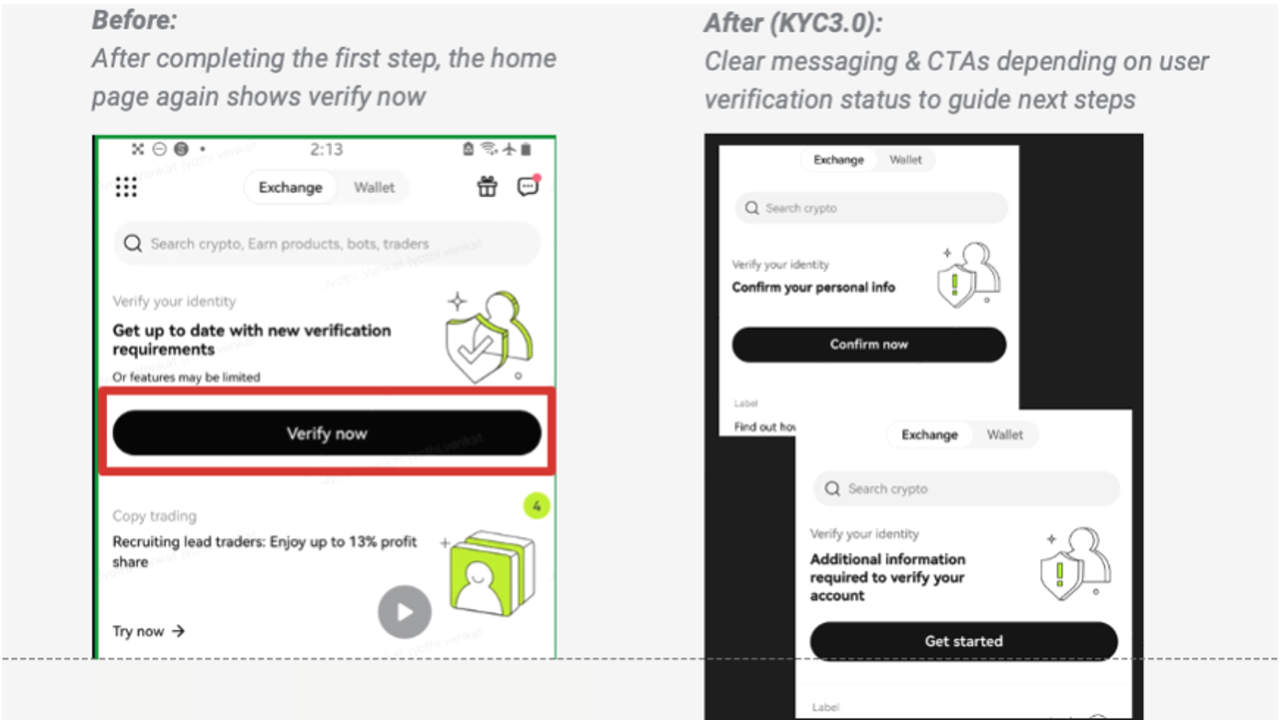
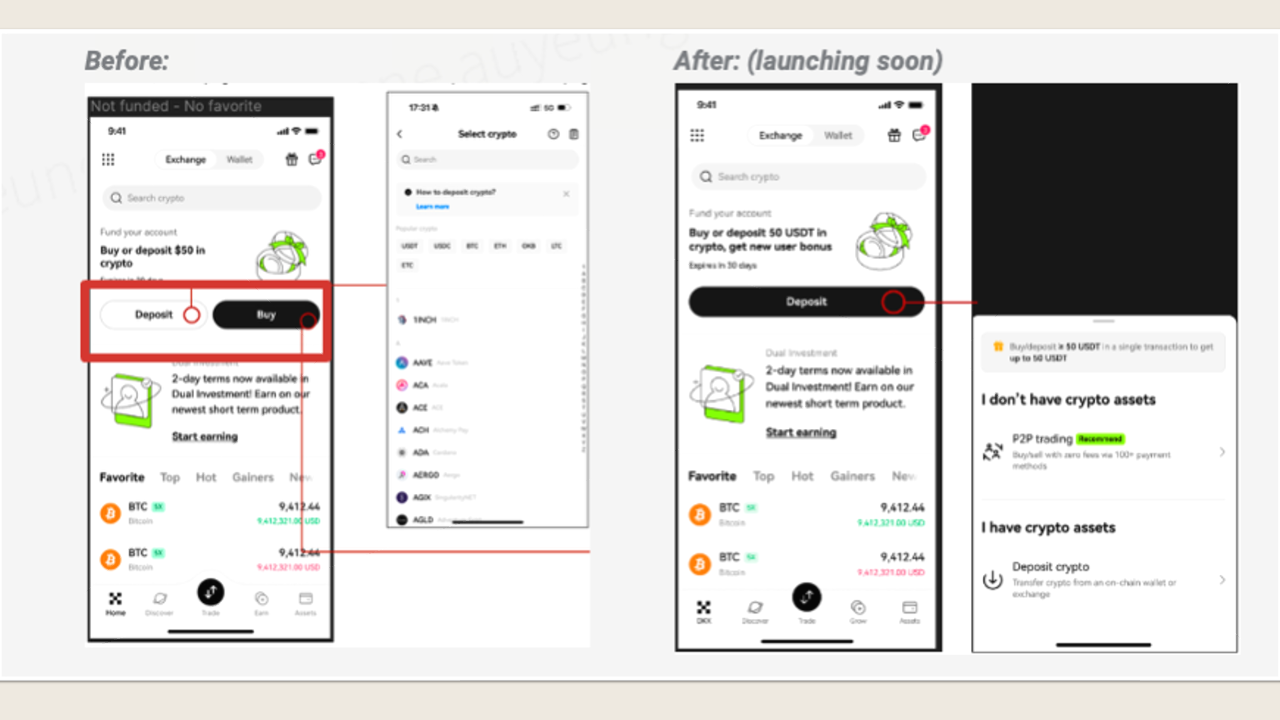
Beyond usability — getting buy-in for delight
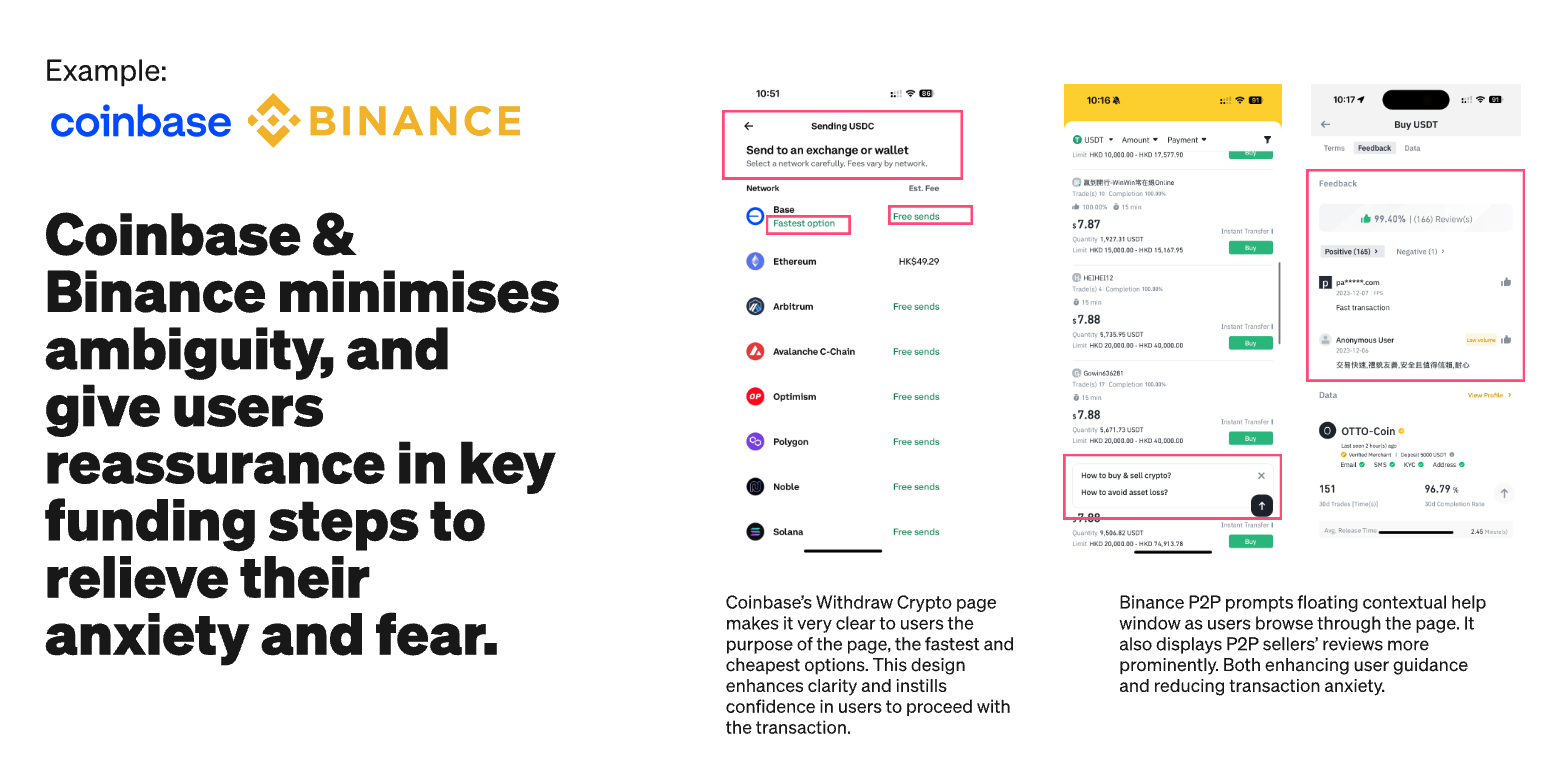
With usability improvements underway, I extended the research with competitor analysis to build cross-team buy-in for enhancements that go beyond fixing friction. Because teams were working in silos, the analysis also served to show the holistic journey of a new user and how each step impacts engagement and revenue.
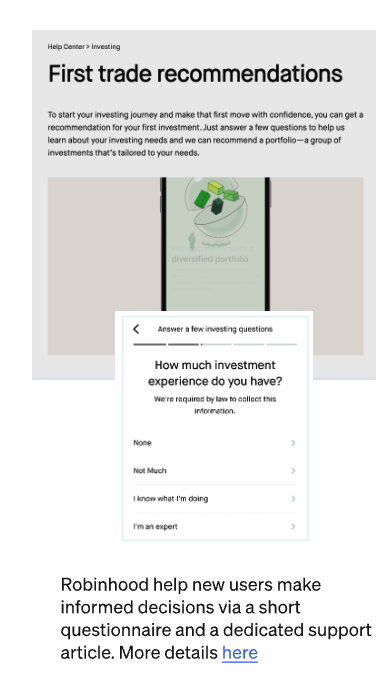
Robinhood helps new users make informed decisions via a short questionnaire and dedicated support article.
Consolidating diverse research into a single strategic view
Activation journey mapping consolidated inputs from usability testing, competitor analysis, and prior research — fostering cross-team alignment and enabling me to define three principles that drive new user activation.
⚠️ Due to confidentiality, details of the journey map cannot be shown.

To first-time users, crypto is novel, complex, and often intimidating. Build trust, engagement, and long-term loyalty from the first interaction.
Build confidence at high-anxiety moments — especially ID verification and first deposits — through clear guidance and transparency.
Surface the right products and features at the right moment to reduce overwhelm and guide users toward their first meaningful action.
- Qual research process for non-English markets under tight timelines
- Enhanced deposit flows and credit card funding
- Stronger research buy-in with teams new to UX
- Competitor analysis drove delight-level enhancements
- Post-dev testing is critical for prototype-hidden flows
- Build participant panels in key markets early
- Invest in cross-team relationships
- Journey mapping enables strategic insights beyond feature fixes
- Build participant panels proactively in key markets
- Invest in cross-team relationships earlier in the project
- Extend journey mapping to post-first-trade flows